

Comparing Popular Products for Men
The market for men's health support products is crowded, and comparing formats, ingredients, and intended use can be difficult when every label sounds similar. This page puts common product formats side by side so you can see the differences in ingredient lists, recommended daily intake, and the practical context each product is designed for.
We focus on what the product is, what it contains, and how it is meant to be used. We do not rank products by effectiveness or claim that one is better than another at producing a specific result.
Multivitamins vs. single-nutrient supplements
A multivitamin is a single product that contains a mix of vitamins and minerals, usually formulated to provide close to the daily value for most nutrients in each serving. It is designed as a convenient daily backup for a man who wants broad coverage without taking several different products throughout the day.
A single-nutrient supplement contains just one vitamin or mineral — vitamin D, magnesium, or zinc, for example — in a specific dose. These products are useful when you have identified a particular gap in your diet and want to fill it precisely without changing your intake of other nutrients.
The right choice depends on what you already get from food and what you are trying to add. A man who eats a varied diet may only need a single nutrient he lacks, while someone with a less consistent routine may prefer the simplicity of a daily multivitamin.
Capsules vs. powders for active men
Capsules — convenience first
Capsules are portable, tasteless, and require no preparation. You can keep them in a desk drawer or a travel bag and take them with water wherever you are. That makes them easy to fit into a workday or a trip.
They are limited by physical size. A single capsule holds a fraction of a gram, so bulky ingredients like a full serving of creatine or a complete amino acid profile cannot fit into one or two capsules. For larger doses, the capsule format becomes impractical.
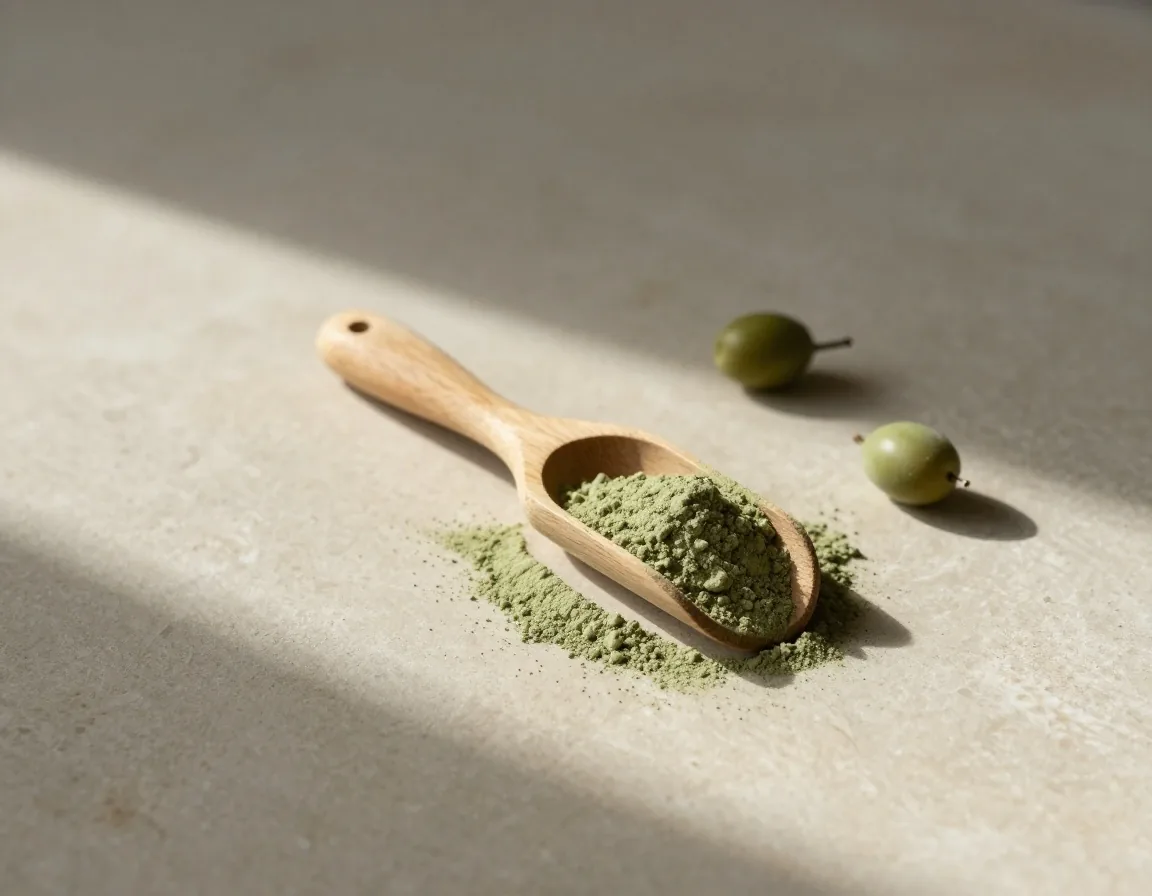
Powders — larger servings, more setup
Powders solve the size problem. A scoop can deliver several grams of active ingredients, which is why this format is standard for pre-training and post-training products. You mix the powder into water in a shaker, and the serving size can be adjusted by changing the scoop size.
The trade-off is preparation. You need a shaker, water, and sometimes a flavor you have to tolerate. Powders are less convenient on the go and harder to take discreetly during a workday.
If your priority is a small daily nutrient dose you can take anywhere, capsules fit. If you need larger servings of amino acids or other bulky ingredients around training, powders are the practical format. Many active men use both — a capsule multivitamin in the morning and a powder product before or after exercise.

Plant extracts vs. isolated compounds
A product that contains a plant extract, like ginseng or maca, provides a mix of natural compounds that occur in that plant. The extract is usually standardized to a specific percentage of an active compound, but it also contains other components from the plant material.
An isolated compound, like pure beta-alanine or creatine monohydrate, is a single refined ingredient. You get an exact dose of that one compound and nothing else.
Neither format is automatically better. Plant extracts offer a mix of compounds but with less precise dosing of the active one. Isolates offer exact dosing but lack the accompanying compounds found in the whole plant. The choice depends on whether you want the broader profile of the plant or the precision of a single compound.
Daily wellness vs. pre-training formulas
These two categories are built for different situations. Confusing them is one of the most common mistakes people make when comparing popular products for men, and it usually leads to taking a stimulant product when a daily nutrient was the better fit.
Taken every day, usually with a meal
Daily wellness formulas contain vitamins, minerals, and basic plant extracts intended to support general nutrition over time. They are designed for consistent daily use, not for immediate effect before a workout.
Typical ingredients include B-vitamins, vitamin D, magnesium, zinc, and sometimes adaptogenic plant extracts like ashwagandha or ginseng at moderate doses. The serving size is usually one or two capsules or a small scoop.
Taken before exercise, not daily
Pre-training formulas are taken 20 to 40 minutes before a workout. They contain ingredients aimed at the immediate session — caffeine, amino acids, and electrolytes — rather than long-term nutrient coverage.
Using a pre-training formula as a daily wellness product is usually a mistake because of the stimulant content. Taking caffeine daily outside of training can affect sleep and is not what these products are designed for.
We separate these categories in our reviews so you understand the intended use of the product before you buy it. Energy and endurance supplements that belong in the pre-training group are labeled as such, and daily wellness formulas are reviewed on their nutrient profile, not on any immediate-session claim.
What to look for on the ingredient panel
The ingredient panel is the most important part of the label. The front of the bottle is marketing; the back is where the actual product lives.
Look for the exact amount of each active ingredient per serving, listed in milligrams or micrograms. A transparent panel tells you exactly how much of each nutrient you are getting.
Avoid products that hide their ingredients behind a proprietary blend listing only a total weight. You cannot compare a blend to a transparent panel because you do not know how much of each ingredient it contains.
Check the other ingredients list for fillers, binders, artificial colors, and sweeteners. These are not active nutrients but they tell you what else you are consuming with each serving.
If a product contains caffeine, check the total amount per serving. Some pre-training products list caffeine as a separate line item; others include it inside a blend. You want to know the exact number before you take it.
If a product contains a plant extract, check whether the label specifies the standardization percentage — the proportion of the active compound the extract is standardized to. A label that says ginseng extract 200 mg is less informative than one that says ginseng extract 200 mg standardized to 5% ginsenosides.
We walk through these panels in our reviews to show you what a transparent label looks like compared to one that obscures its contents.
Comparing dosages and daily values
The percent of daily value tells you how much of a nutrient one serving provides relative to a standard intake recommendation. It is a reference point, not a ceiling.
If a product lists 500% of a B-vitamin, your body will process the excess and excrete what it does not need, since B-vitamins are water-soluble. A high percentage of a water-soluble vitamin is generally not a concern for most people.
If a product lists a very high percentage of a fat-soluble vitamin — A, D, E, or K — you should be more cautious. Excess amounts of fat-soluble vitamins can build up in the body over time rather than being excreted quickly.
A higher percentage is not always better. The right dose depends on the specific nutrient, your diet, and your individual needs. When we compare vitamin supplements for men, we note which nutrients are water-soluble and which are fat-soluble so you can read the percentages with that context.
B-complex vitamins and vitamin C. Excess is excreted in urine. High percentages are generally tolerated.
Vitamins A, D, E, and K. Stored in body tissue. Sustained high intake can accumulate, so check the dose against your diet.
Calcium, magnesium, zinc, iron, and others. Absorption varies by form and by what else you take with them. Check the form listed on the panel.
No standard daily value. Compare by standardization percentage and by the milligrams of the active compound, not by total extract weight alone.
Evaluating claims on the front of the bottle
The front of a supplement bottle is marketing space. It uses words like energy, strength, vitality, and focus to attract attention. Those words describe a positioning, not a content list.
The actual information is on the back. If the front claims to support energy, check the back to see if it contains B-vitamins or caffeine. If it claims to support strength, check for amino acids or creatine. The front label claim should correspond to something specific on the ingredient panel.
We teach you to read past the front label and focus on the ingredient panel. This is the most reliable way to compare two products and see what you are actually paying for — the ingredients and their doses, not the words on the packaging.
Words that mean something
Energy on the front should correspond to B-vitamins, caffeine, or iron on the back. Each claim has a plausible ingredient behind it.
Words that mean less
Vitality, focus, and performance are marketing terms without a standard ingredient definition. They do not tell you what is in the product or in what dose.
How we organize our comparisons
We group popular products for men by their primary format and intended use. Within each category, we describe the typical ingredient profile, the common formats available, and the practical context for using the product.
We do not assign ratings or declare a winner. Our goal is to provide the information you need to read the labels, understand the differences, and make a choice based on your own routine and goals.
Daily Multivitamins
Broad vitamin and mineral coverage in a single serving. Designed for men who want a convenient daily nutrient backup without managing multiple products.
Single-Nutrient Isolates
One vitamin or mineral in a precise dose. Useful when you know which nutrient you need and want to fill that specific gap without changing the rest of your intake.
Pre-Training Formulas
Powder-based products taken before exercise. Typically contain caffeine, amino acids, and electrolytes aimed at the immediate training session.
Natural Capsules for Strength and Vitality
Plant-extract-based capsules containing ingredients like ginseng, maca, or ashwagandha. Positioned as healthy lifestyle products for men seeking natural options.
Continue comparing
If you want to go deeper into a specific format or ingredient group, the guides below break down each category in more detail.
Natural Supplements Guide
A walkthrough of natural supplements for men, including plant extracts, standardization, and what to check on the label.
Read the guide ReferenceVitamins & Minerals
Vitamins and minerals for men, including which are water-soluble, which are fat-soluble, and how to read daily value percentages.
Explore the reference GuideEnergy & Endurance
Energy and endurance supplements reviewed by format and intended use, including pre-training powders and daily wellness formulas.
Read the guide